

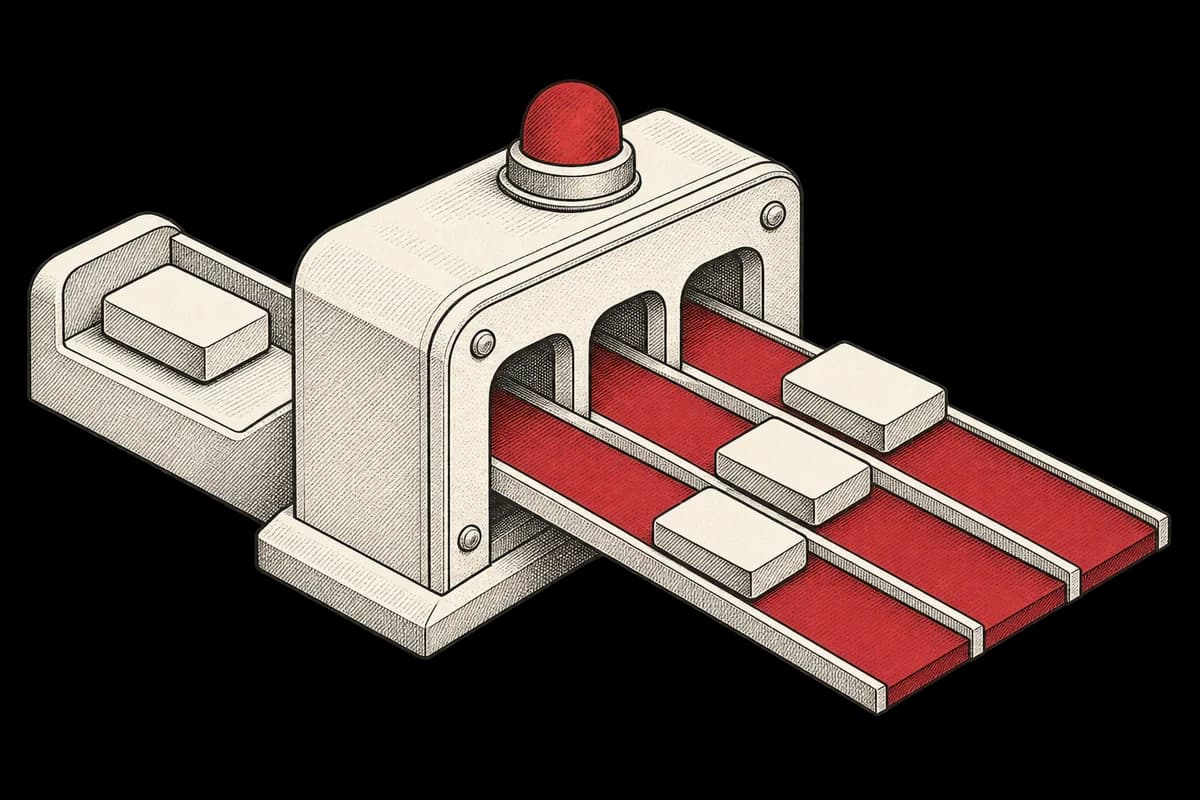
One development team, multiple projects: planning shared delivery capacity
Plan one shared development allocation across several projects. Compare covered projects, active work, priorities and the Pod capacity that fits your backlog.


Practical thinking about connected commerce, platforms, software and the human decisions behind dependable delivery.
Operating questions from real commerce, platform and delivery work. Find the context that matches your next decision.
14 field notes / The collection

Plan one shared development allocation across several projects. Compare covered projects, active work, priorities and the Pod capacity that fits your backlog.

Build a practical store maintenance plan around checkout, catalog changes, recovery and ownership—and know when ongoing support makes sense.

Find where visitors stop buying before increasing ad spend. Check traffic quality, product discovery, checkout and measurement in a useful order.

Plan social content, approvals, account management and inquiry follow-up together. Understand what a monthly social media service should include.

Compare a delivery pod with support, a scoped project and extra staffing. Define ownership, capacity and acceptance before choosing a team.

Keep service selections, budget and campaign context attached to every inquiry. Give each lead an owner, a next action and a visible quote status.

A website request, shipping complaint, CRM gap, or automation idea is often the entry point—not the complete shape of the work.

Rates, fulfillment promises, packaging rules, exceptions, and customer communication must operate as one buying promise.

A successful website facelift protects meaning, URLs, evidence, measurement, and conversion paths while improving the experience.

A safe ecommerce migration protects products, customers, search equity, integrations, operating rules, and revenue while the platform changes underneath them.

Reliable listings connect product data, inventory state, channels, merchandising rules, fulfillment, and the people responsible for exceptions.

A custom theme for Shopify, WordPress, BigCommerce, Magento, or Drupal should balance brand expression, content ownership, performance, accessibility, conversion, and maintainability.

The right platform depends on commerce complexity, content governance, integration needs, internal capability, risk, and total operating responsibility.

Custom software is justified when it solves a durable business constraint more responsibly than configuration, process change, or an existing product.
Share your website, products or workflows—and tell us what needs attention. Our team will review what you share, highlight initial priorities and recommend a practical next step.
Your initial review is free. Any further investigation or delivery is quoted and agreed separately.