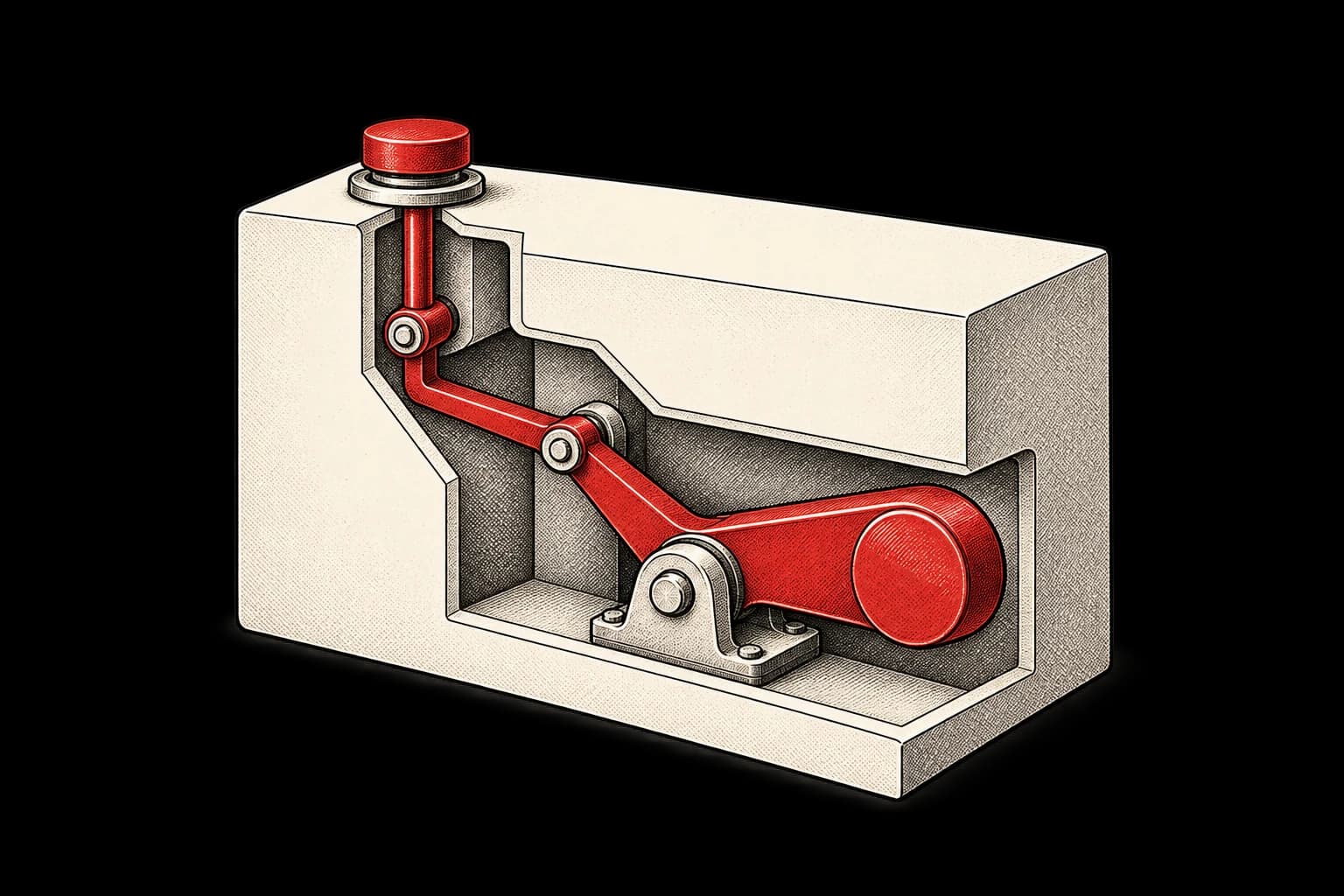
The first request matters, but treating it as a complete diagnosis can create a polished answer to the wrong problem. A useful discovery process follows the symptom into the customer journey, operating rules, systems, ownership, and evidence around it.
The request is an entry point
A business usually asks for the change it can already see: redesign the website, connect the CRM, automate a report, fix checkout, improve organic traffic, or build a custom application. That request is useful because it identifies where friction has become visible.
It does not automatically explain why the friction exists. The website may be carrying an unclear commercial position. The CRM gap may be an ownership gap. The automation request may be trying to preserve a workflow that should first be simplified.
Follow the consequence, not just the feature
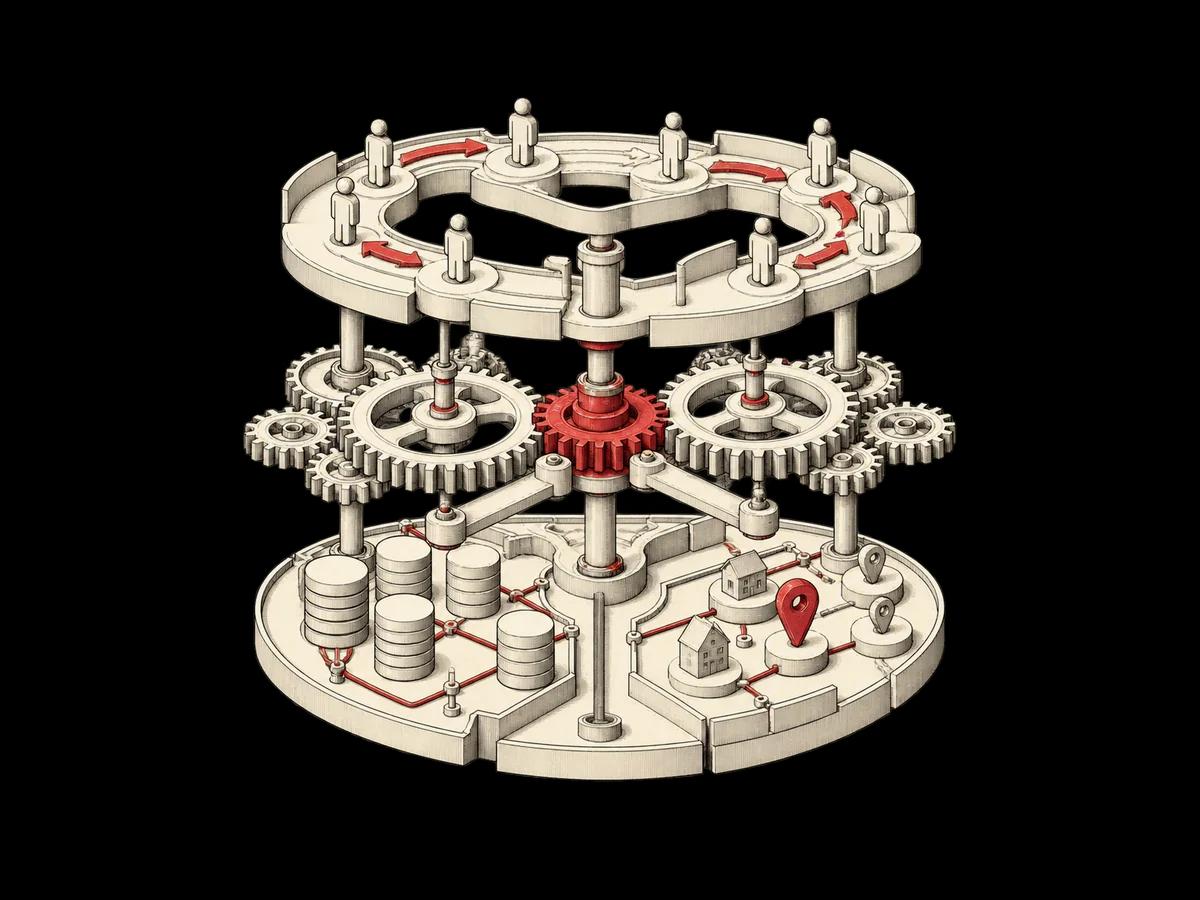
A problem-room approach asks what happens before and after the visible issue. Who creates the record? Which system owns it? What promise did the customer receive? Where are exceptions handled? What evidence tells the team that the outcome improved?
These questions prevent separate specialists from optimizing their own layer while the connected business journey stays broken.
- Customer: what experience or promise is affected?
- Operation: what work, exception, or handoff sits behind it?
- Technology: which record, rule, or integration carries the process?
- Ownership: who is accountable when the normal path breaks?
- Evidence: how will the business know the change worked?
Diagnosis should reduce scope uncertainty
Good diagnosis is not a way to make a project larger. It is a way to stop hidden dependencies from surprising the business later. Sometimes the correct answer is smaller than the initial request. Sometimes the visible request is one part of a controlled sequence.
The goal is to identify the minimum responsible movement: enough change to solve the real constraint without creating unnecessary operational or technical weight.
The output is a shared problem shape
Before design or development begins, agree what is going wrong, what needs to change, who is responsible and how the result will be checked. Be clear about what the available records can and cannot show.
That shared shape keeps strategy, design, engineering, operations, SEO, and support oriented around the same outcome. Technology remains a tool inside the solution—not the definition of the company or the work.