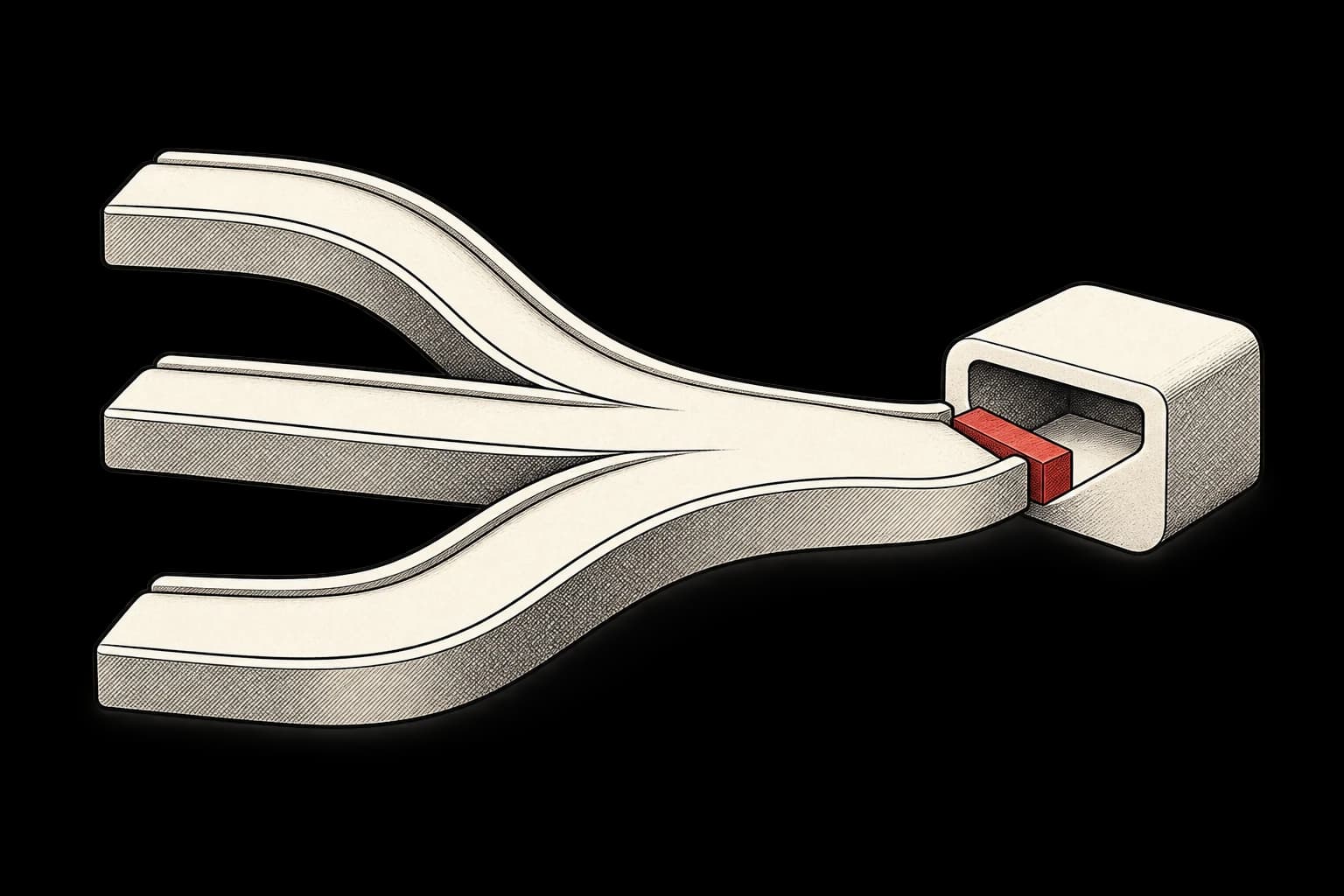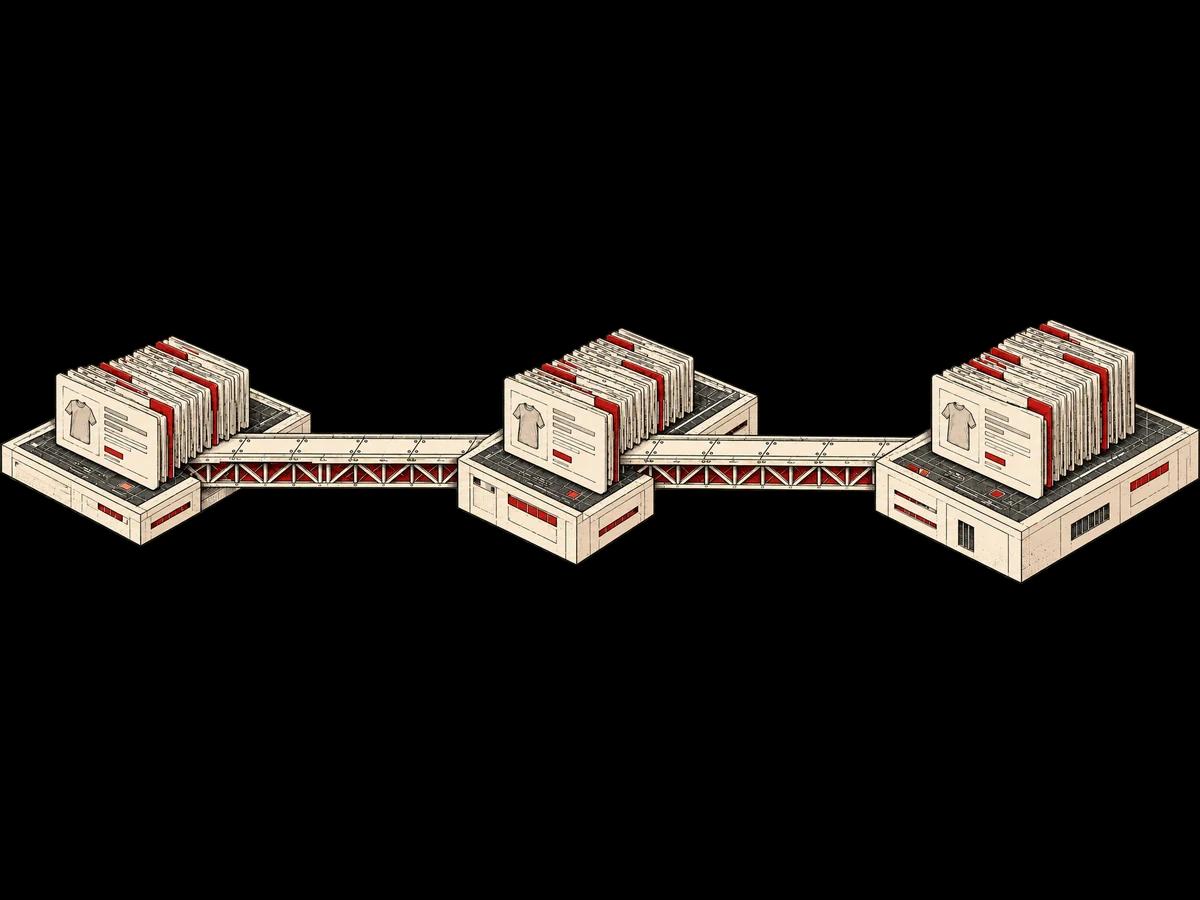

A product listing can look like a content task while depending on operational data from several systems. When titles, attributes, availability, pricing, images, and channel rules are managed separately, customers and teams receive conflicting versions of the same product truth.
Separate product truth from channel presentation
The core product record should define stable identity: SKU, variant structure, attributes, dimensions, cost, compliance data, and relationships. Each storefront or marketplace may then apply its own title, description, category, image, pricing, and merchandising rules.
This separation reduces duplicate maintenance and makes it clear which system owns a correction when channels disagree.
Inventory is a state, not just a quantity
Available-to-sell can depend on physical stock, reservations, safety buffers, inbound supply, damaged goods, bundles, locations, and channel allocation. Publishing one number without its business rule creates overselling or unnecessary lost demand.
A useful inventory workflow defines where the authoritative state lives, how quickly channels receive updates, and what happens when synchronization fails.
- System of record and ownership for each inventory state
- Location, channel, bundle, preorder, and backorder rules
- Update frequency, retry behavior, and stale-data thresholds
- Listing suppression, customer messaging, and manual exception paths
- Reconciliation reports and evidence for recurring discrepancies
Design exception queues for people
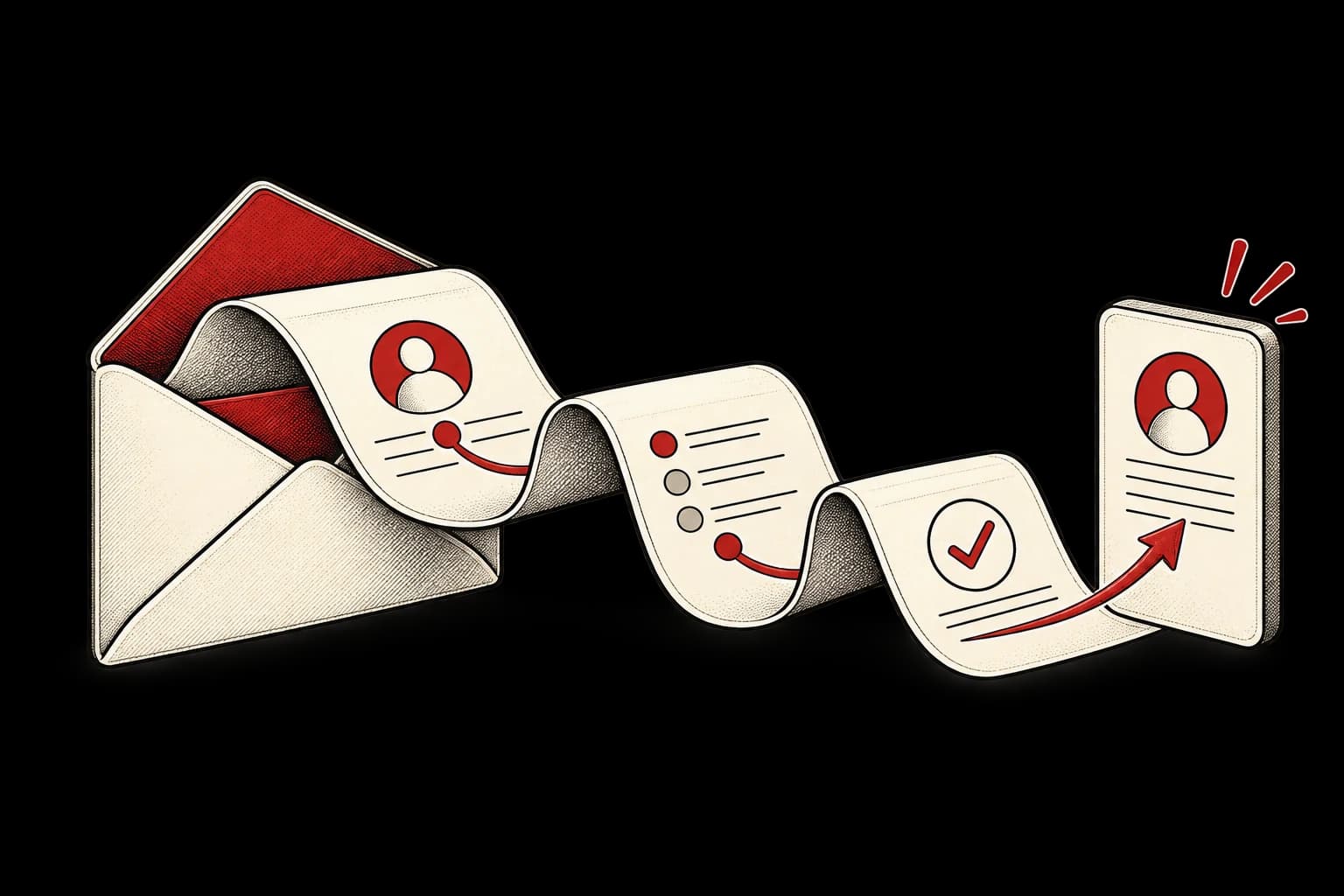
Automation should handle predictable transformations and leave visible exceptions for human judgment. Missing images, invalid categories, conflicting variants, negative stock, or rejected marketplace updates should become owned work—not silent log entries.
DevCamp360 connects catalog architecture, integration behavior, operational ownership, and reporting so listings remain useful to customers and manageable for the team.
Measure data quality as an operating capability
Useful measures include completeness by channel, synchronization lag, rejected updates, oversell incidents, manual correction volume, and time to resolve exceptions. The goal is not a perfect dashboard; it is early visibility into the records that can break the customer promise.