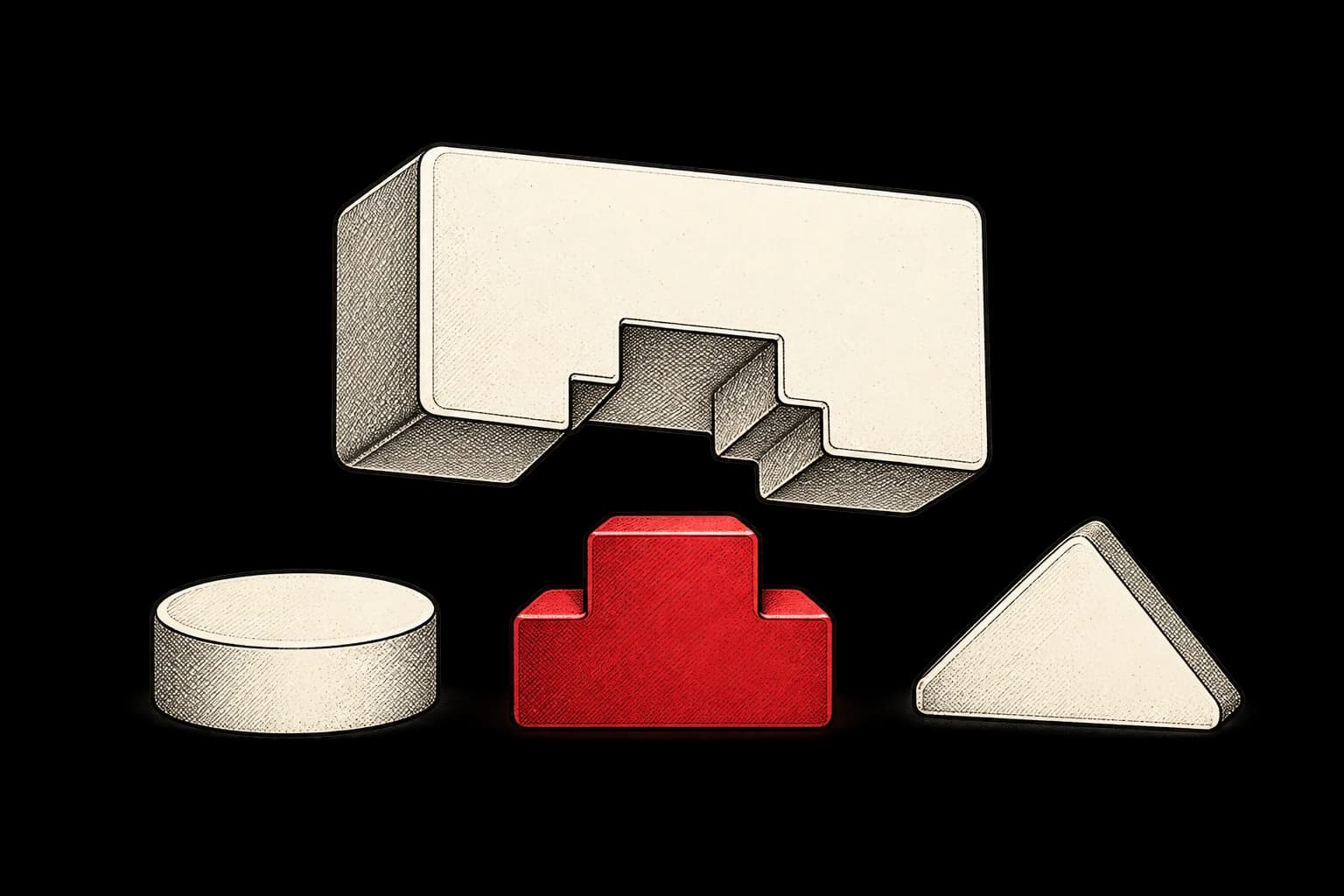
Platform comparisons often collapse into feature checklists. A better decision starts with the business model, the records and workflows that must remain reliable, the team that will operate the system, and the cost of change over time.
Name the decision criteria before the platform
The useful questions are operational: Who publishes content? How complex are products, pricing, markets, permissions, and fulfillment? Which systems own customer, order, inventory, and financial records? What release cadence and technical ownership can the business sustain?
Answering these first protects the evaluation from being dominated by a demo or a familiar logo.
Understand where each platform tends to fit
Shopify can simplify managed commerce operations and ecosystem access. BigCommerce can support API-led and multi-channel commerce patterns. Magento or Adobe Commerce can serve complex enterprise commerce with a correspondingly serious operating burden. WordPress and WooCommerce can combine flexible publishing with commerce, while Drupal can support structured content, permissions, and complex digital estates.
These are tendencies, not automatic recommendations. Extensions, hosting, custom code, integrations, security, team capability, and governance can change the real fit significantly.
BigCommerce and Drupal: replacement or integration?
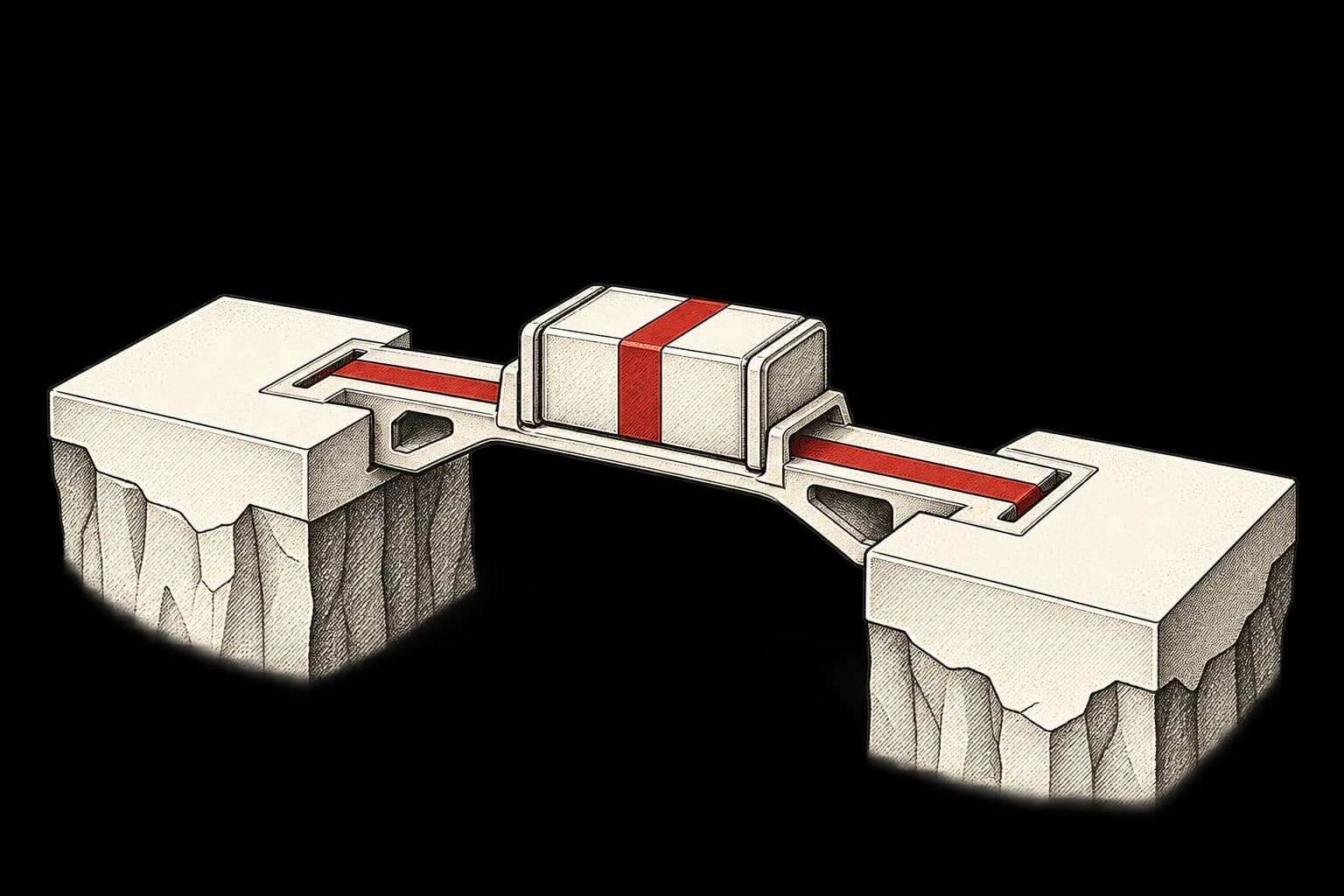
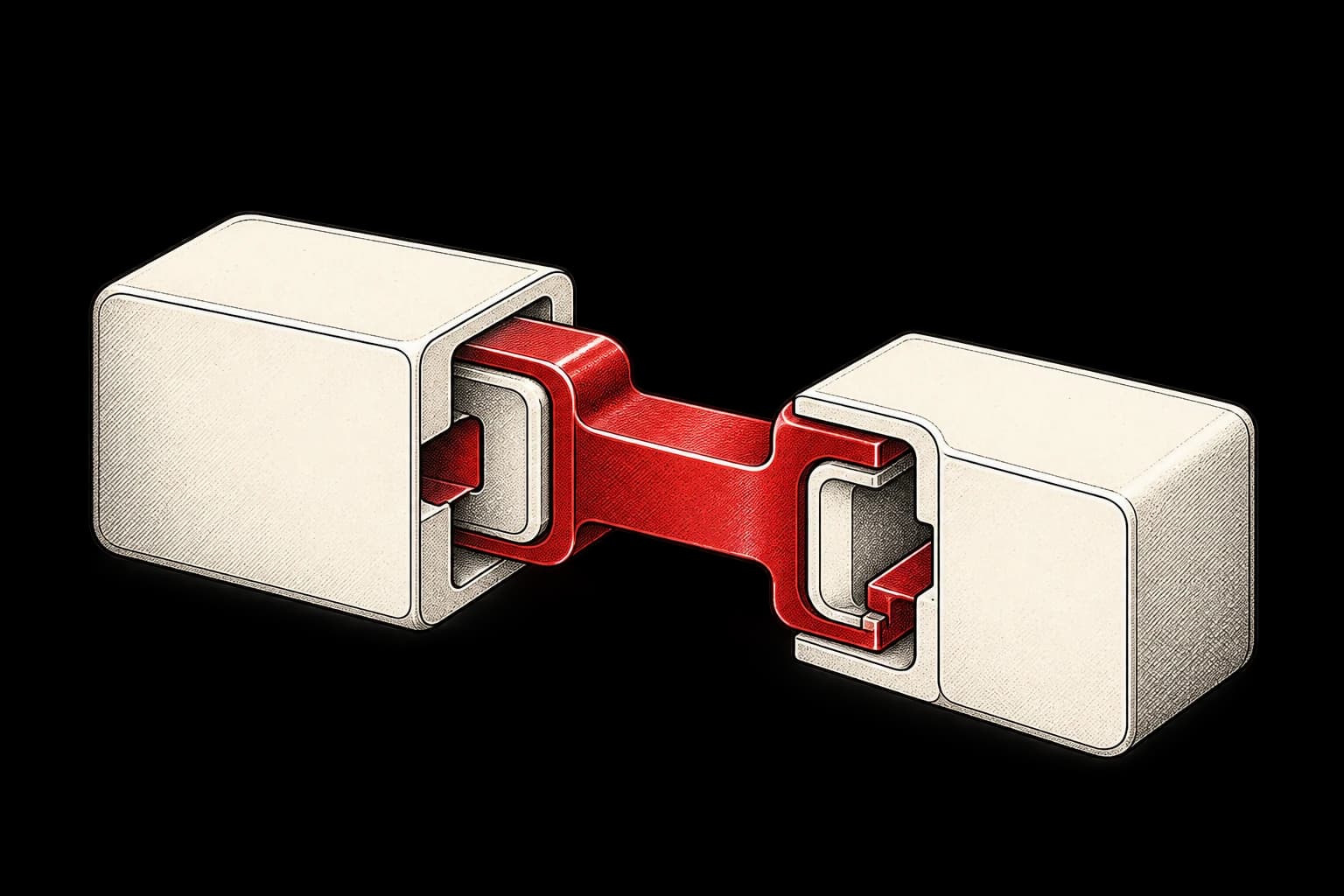
BigCommerce can provide commerce services while Drupal provides the content and presentation layer in a headless setup. Combining them should solve a named publishing or storefront requirement. It also creates a connection that needs clear ownership, testing and ongoing care.
Assess the connector as well as the platforms. At our November 6, 2026 review, the Drupal BigCommerce project listed an alpha release, no supported stable release and a request for a new maintainer. Check current compatibility and maintenance status before making a delivery commitment.
- Name the system that owns product, price and inventory records.
- Test the full product-to-checkout journey and what happens when data is delayed.
- Agree who maintains the connector, storefront and release checks.
Calculate responsibility, not only licensing
Total cost includes implementation, extensions, hosting, upgrades, security, QA, content operations, integration maintenance, support, and the opportunity cost of slow change. A lower subscription can still produce a higher operating burden.
The platform decision should identify which responsibilities the vendor carries, which an implementation partner carries, and which remain with the internal team.
Use a decision record and a migration path
DevCamp360 approaches platform selection as an architecture and operating decision. We document constraints, options, tradeoffs, evidence, owners, and assumptions, then connect the chosen direction to a controlled migration or modernization plan.
- Current-state records, workflows, pain points, and technical dependencies
- Weighted decision criteria and representative journey testing
- Target architecture, ownership model, and support expectations
- Migration sequence, acceptance criteria, launch controls, and recovery
Migration Planning & Delivery
If your platform decision leads to a move, Migration Discovery assesses one source and destination, records and integration risks before implementation. It is a paid planning package. The team may waive it after assessing sufficient existing information; your proposal confirms the decision and any delivery scope.
Migration Discovery · $720 USD
One source and destination, one scope review and one clarification pass. Discovery excludes the build and data transfer. Its fee is separate from implementation; no automatic credit is assumed.