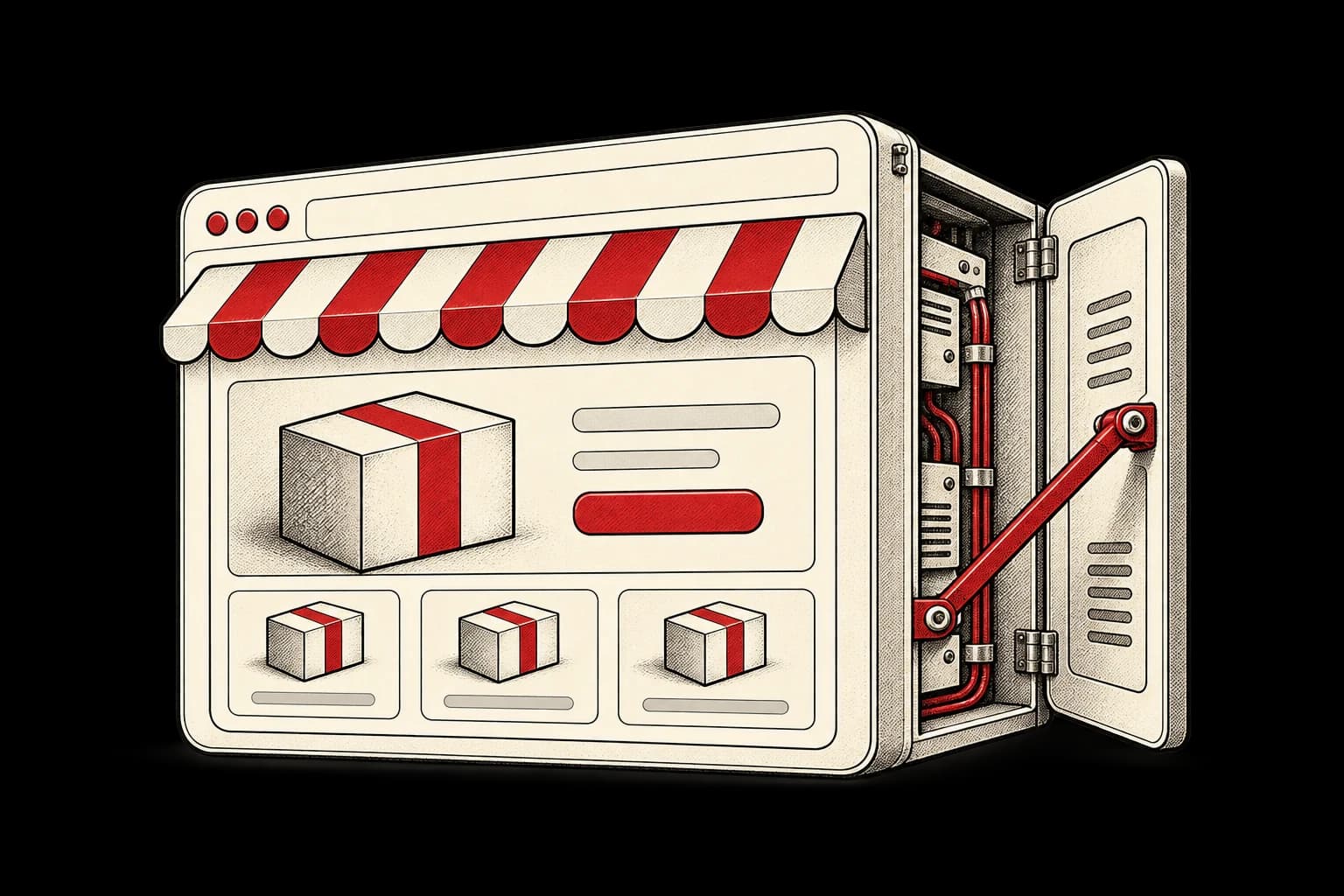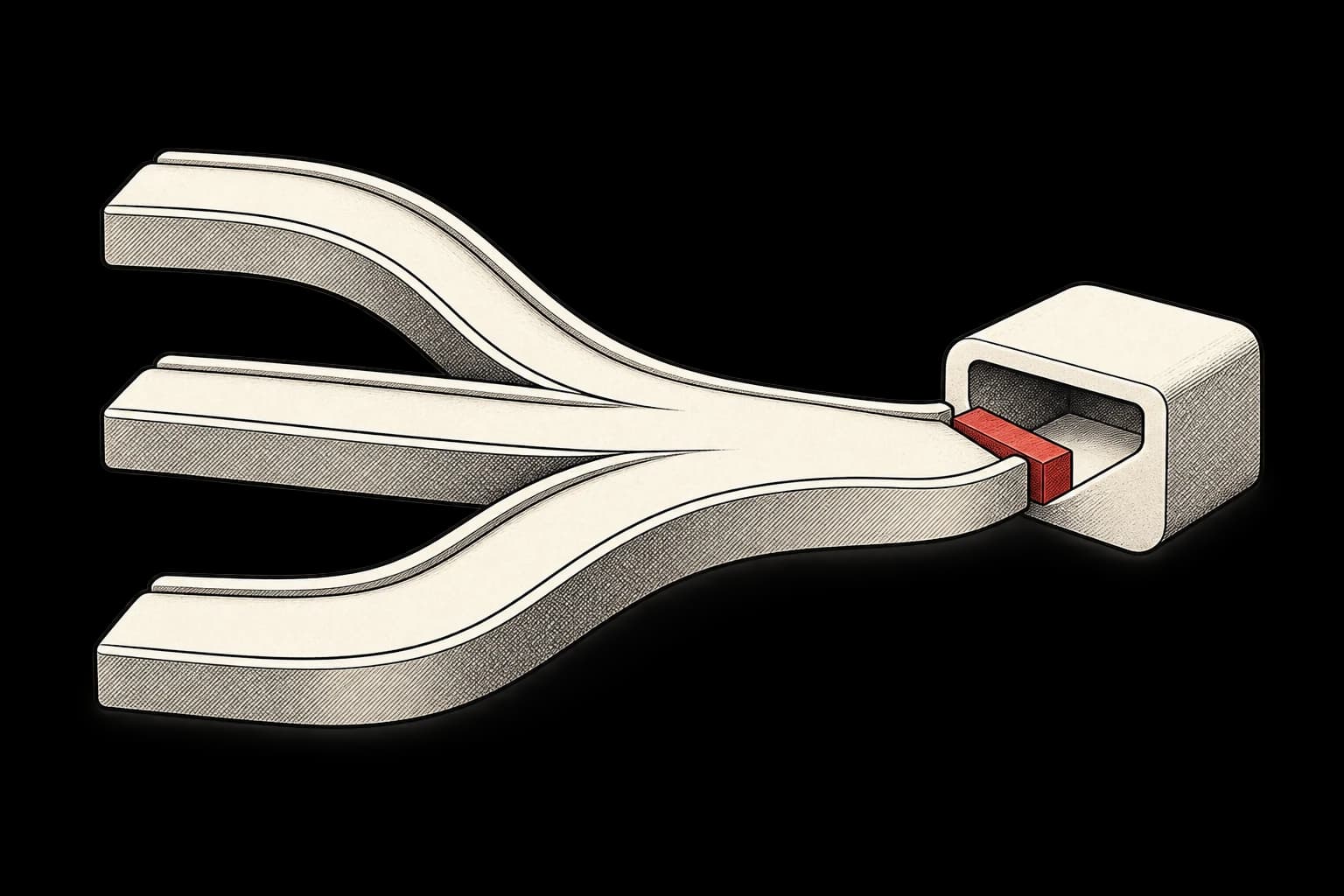
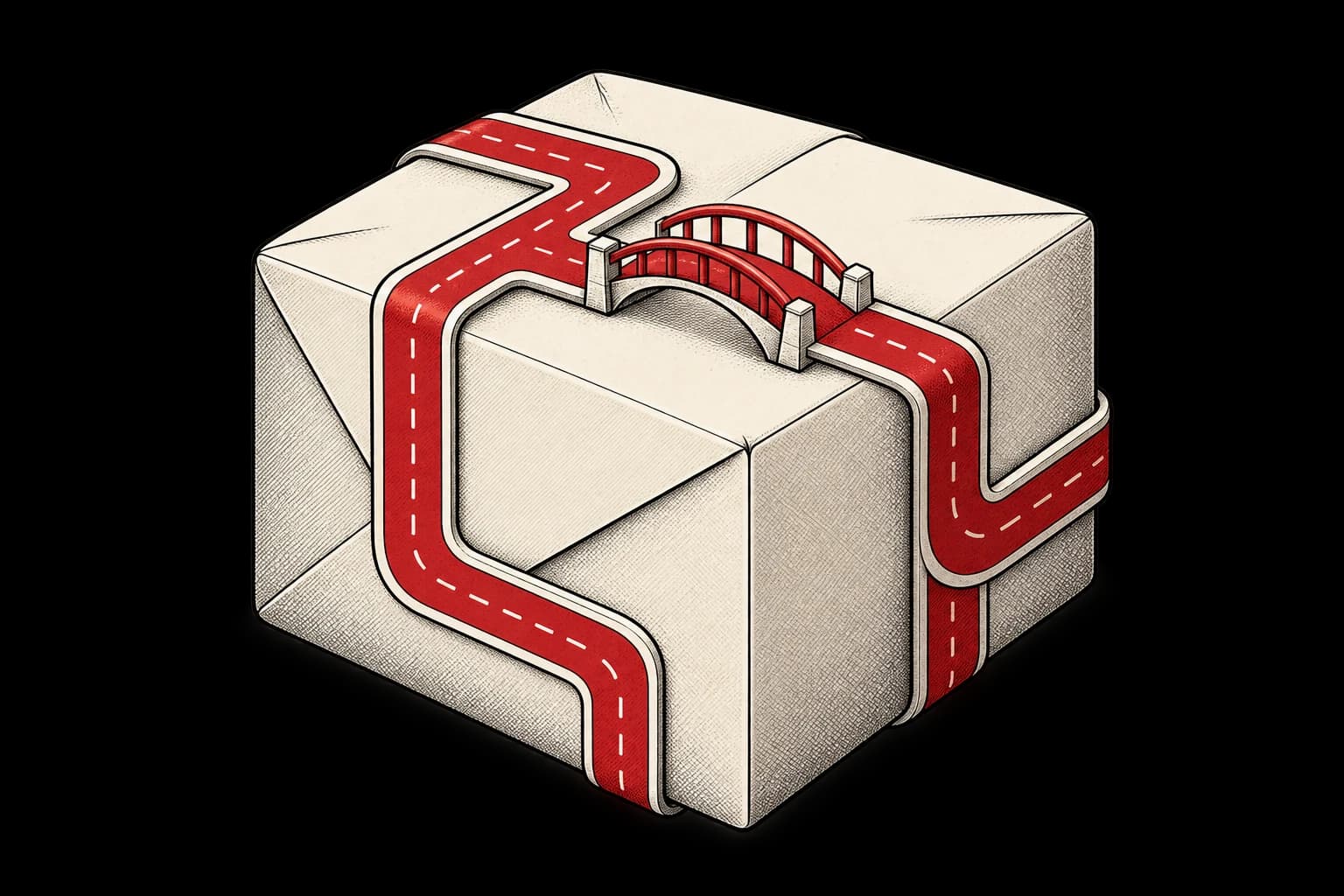
Shipping failures often appear at checkout, but the cause can live across catalog data, rate logic, packaging, warehouses, exception handling, and customer communication. Fixing the screen without the operating model only moves the failure.
Checkout displays an operational promise
A shipping rate is not only a number returned by an API. It is a public promise about price, destination, package constraints, delivery method, timing, and what the business can reliably fulfill.
When that promise is generated from incomplete product data or disconnected rules, customers see the symptom first: an unavailable method, an unexpected charge, an impossible delivery date, or a support conversation after purchase.
Map the complete rate decision
The useful unit of analysis is the rate decision from cart to fulfillment—not the carrier integration alone. Teams need to understand which data enters the decision, which rules transform it, and where a person must intervene.
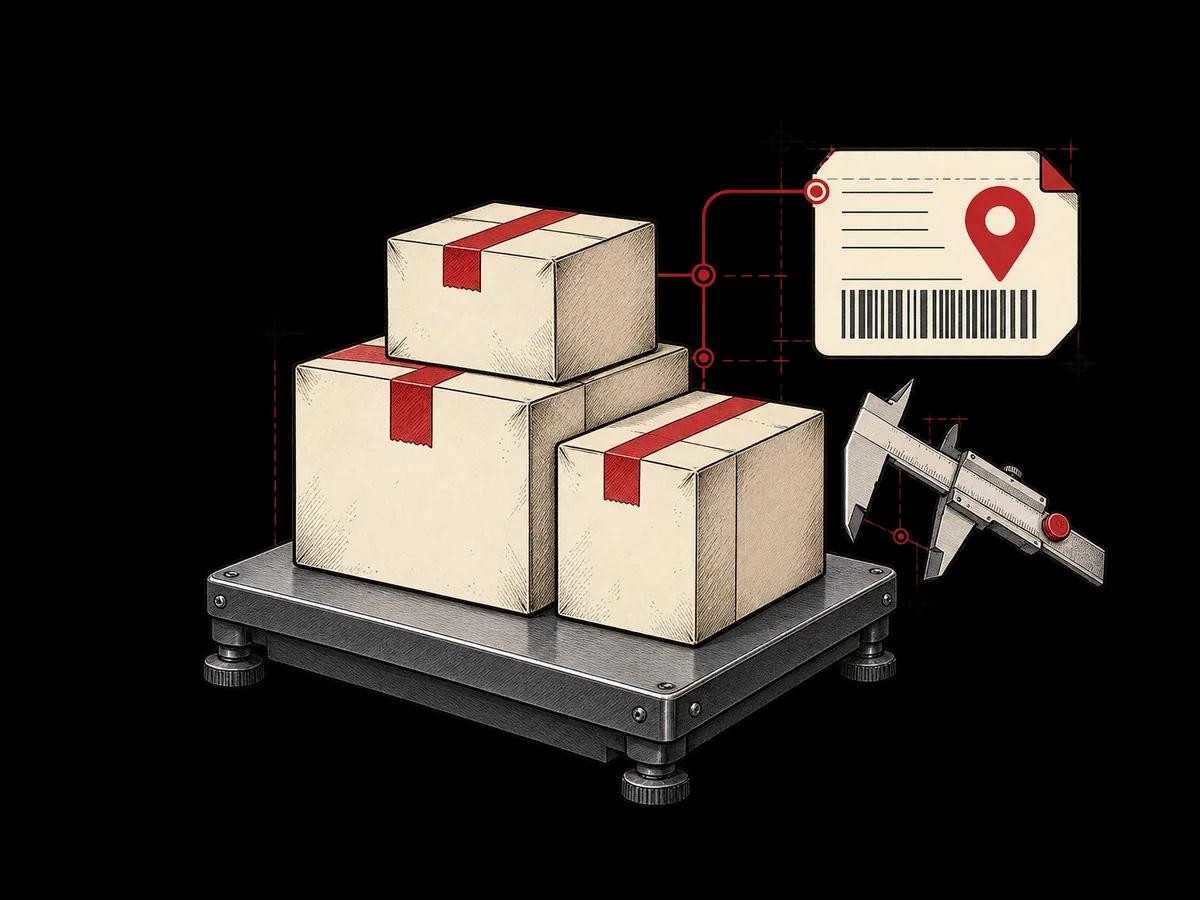
- Product dimensions, weight, class, restrictions, and packaging combinations
- Customer location, service area, minimums, surcharges, and free-shipping policies
- Carrier or freight services, fallbacks, timeouts, and unavailable responses
- Warehouse routing, split shipments, inventory location, and fulfillment capacity
- Exceptions, manual quotes, customer notices, and support ownership
Protect margin and customer trust together
An experience can convert well while quietly damaging margin. It can also protect margin with confusing rules that reduce customer confidence. The right solution connects commercial intent to operational truth.
That usually requires testing representative carts, destinations, product combinations, service failures, and fallback paths. Happy-path screenshots are not enough evidence for a production commerce rule.
Design exception ownership before launch
Every shipping system has exceptions. A production-ready implementation defines how the business sees them, who owns them, what the customer receives, and how the record is preserved for support and reporting.
This is where commerce, custom development, integrations, operations, and customer experience become one problem. The result should be a buying promise the business can keep—not merely a checkout that returns a rate.