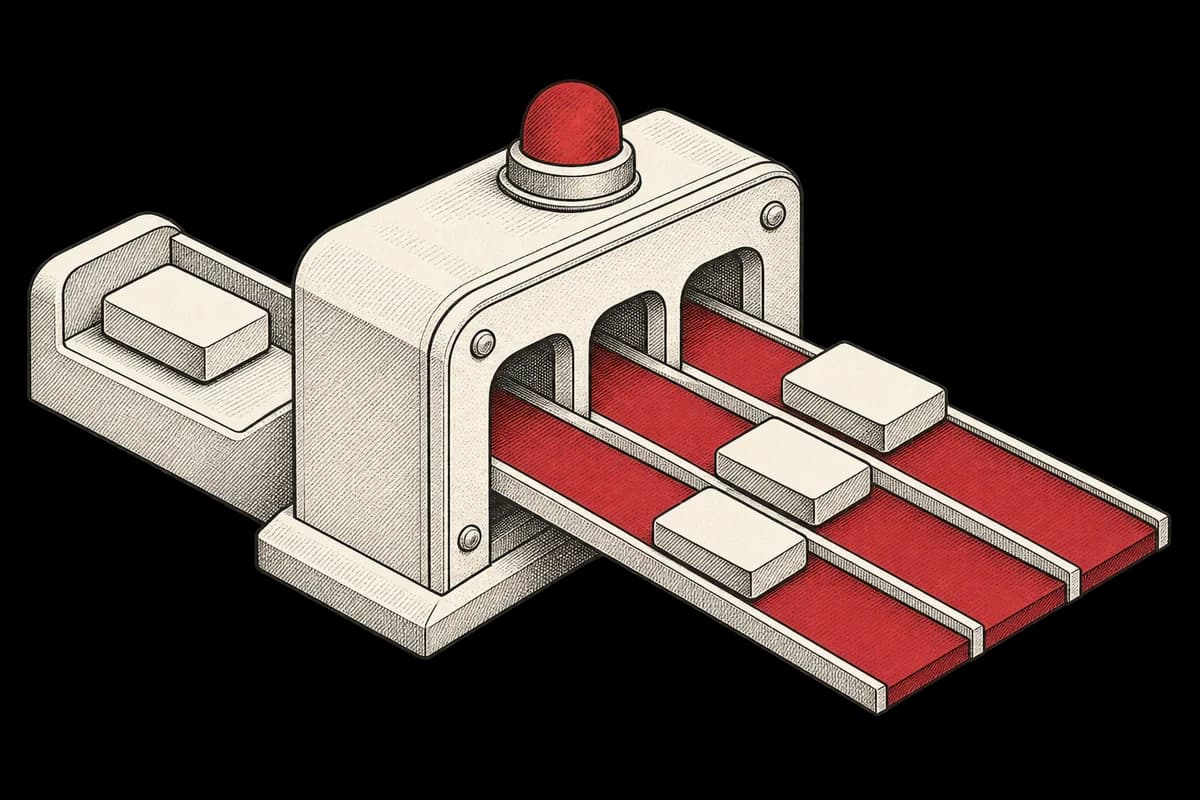

A growing backlog does not always call for another developer. Work may be waiting for a decision, a test environment or a person who can accept the result. A dedicated delivery arrangement makes sense when you have recurring connected work and need dependable capacity around it. It still needs priorities, boundaries and someone on the business side who can make decisions.
Choose the delivery model before choosing the team size
A project is appropriate when the outcome and acceptance boundary can be defined. Support suits recurring maintenance and incidents. Additional staffing can fit a team that already owns planning, technical direction and review. A delivery pod is useful when several disciplines need to move a continuing backlog together.
For example, a customer portal improvement may require design, application code, a CRM change and release checks. Hiring separately for each task does not automatically establish who owns the complete journey. The delivery agreement should name that responsibility.
Make the backlog ready for a team to use
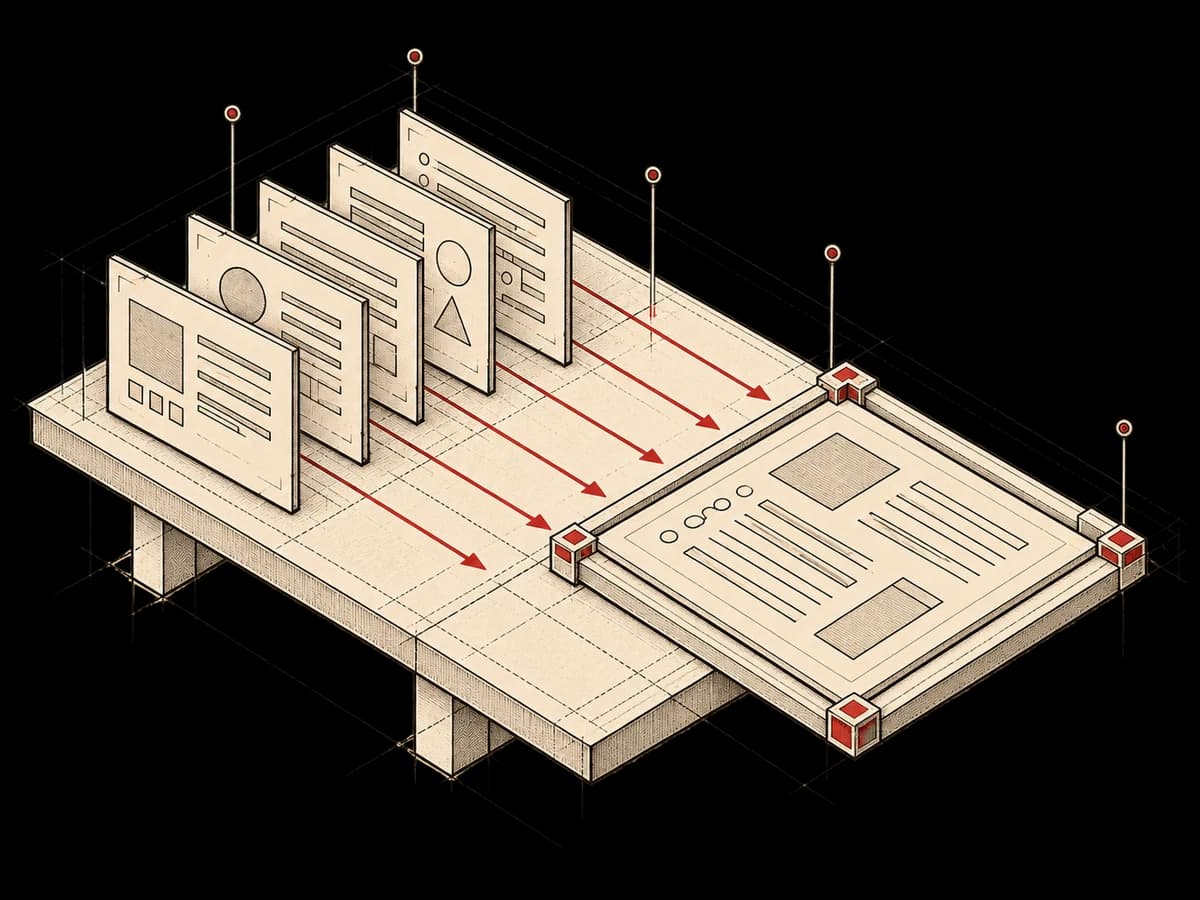
Atlassian describes a product backlog as a prioritized list of work connected to the product roadmap. Prioritization is valuable because a team cannot infer the business importance of every request from the order messages arrive.
Before increasing capacity, review a sample of your backlog. Remove obsolete requests, identify dependencies and name an acceptance owner. Split large uncertain items into investigation and implementation where needed. This makes the first delivery cycle a controlled commitment instead of a promise to clear an undefined list.
- Outcome: what should change for the user or operation?
- Priority: why does this matter before other work?
- Inputs: access, data, designs and decisions needed to start.
- Acceptance: observable checks and the person who signs off.
- Release: dependencies, deployment owner and recovery path.
Understand what combined team-hours mean
A monthly allocation is capacity across the people doing the agreed work. Planning, design, engineering, coordination and QA all consume time. Forty combined team-hours do not mean forty hours from each specialist, nor do they imply a full-time team reserved exclusively for one client.
Ask how estimates, blockers and additional work are handled. Keep an allowance for review and release rather than planning every available hour as new feature development. If a business decision stalls an item, agree whether another ready task can move forward.
Use a delivery rhythm that exposes decisions early
Start a cycle with a small agreed set of priorities. Review progress using working evidence, not only task status. A demo, test record or reconciled data sample should connect the implementation to its acceptance criteria.
Keep one place for scope changes and decisions. Record the impact of an urgent request on existing commitments. At handover, include the relevant release notes and operating instructions so the business is able to use and support what has been delivered.
Know when a pod is the wrong starting point
An undefined product idea may need discovery first. A single well-bounded migration may fit a scoped project. A queue dominated by incidents may need stabilization before feature delivery. Adding people to those situations without resolving the underlying uncertainty can increase coordination work.
DevCamp360 offers Focused, Delivery and Extended Pod options with 40, 80 and 160 combined monthly team-hours respectively. Focused Pod covers one project with one active at once. Delivery Pod covers two, with two active. Extended Pod covers up to four, with up to three active and a fourth queued. Hours are shared across all projects and team members. These project limits apply to new or explicitly amended agreements. Choose capacity around your agreed priorities and available review time. Major unknowns, specialist needs and work outside the agreed allocation are discussed separately; the package is not an unlimited delivery commitment.
Dedicated Delivery Pod
A Focused Pod is a starting option for a bounded recurring backlog. Delivery Pod and Extended Pod provide larger allocations when the agreed workload supports them.
Focused Pod · $1,440 USD/month · 40 combined team-hours
Technology and expertise are confirmed before acceptance. A complete CRM/ERP or custom build needs separate discovery and scope. Specialist-heavy engineering, onshore roles and exclusive teams are separately quoted. No unlimited work, fixed headcount or 24/7 coverage is implied.