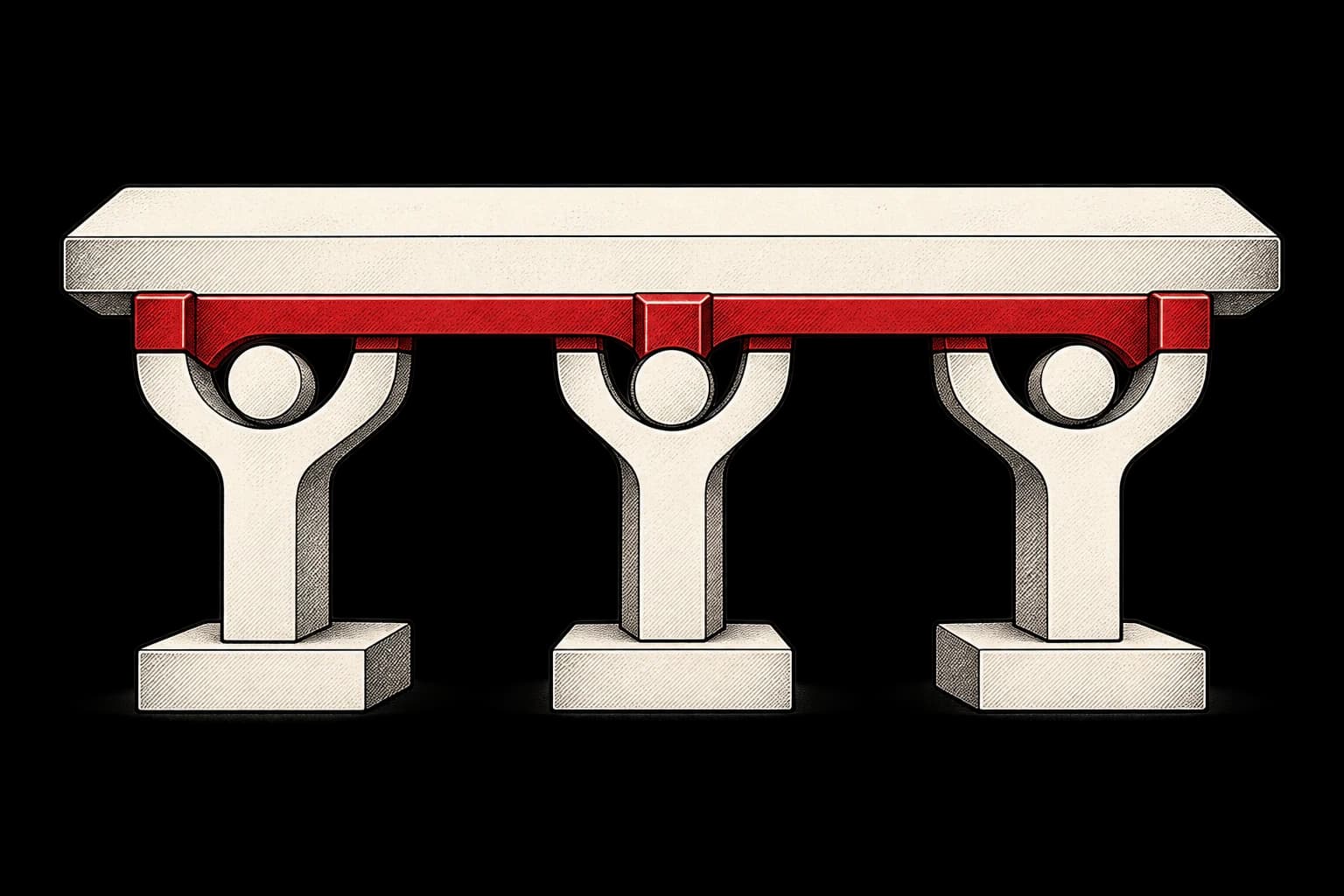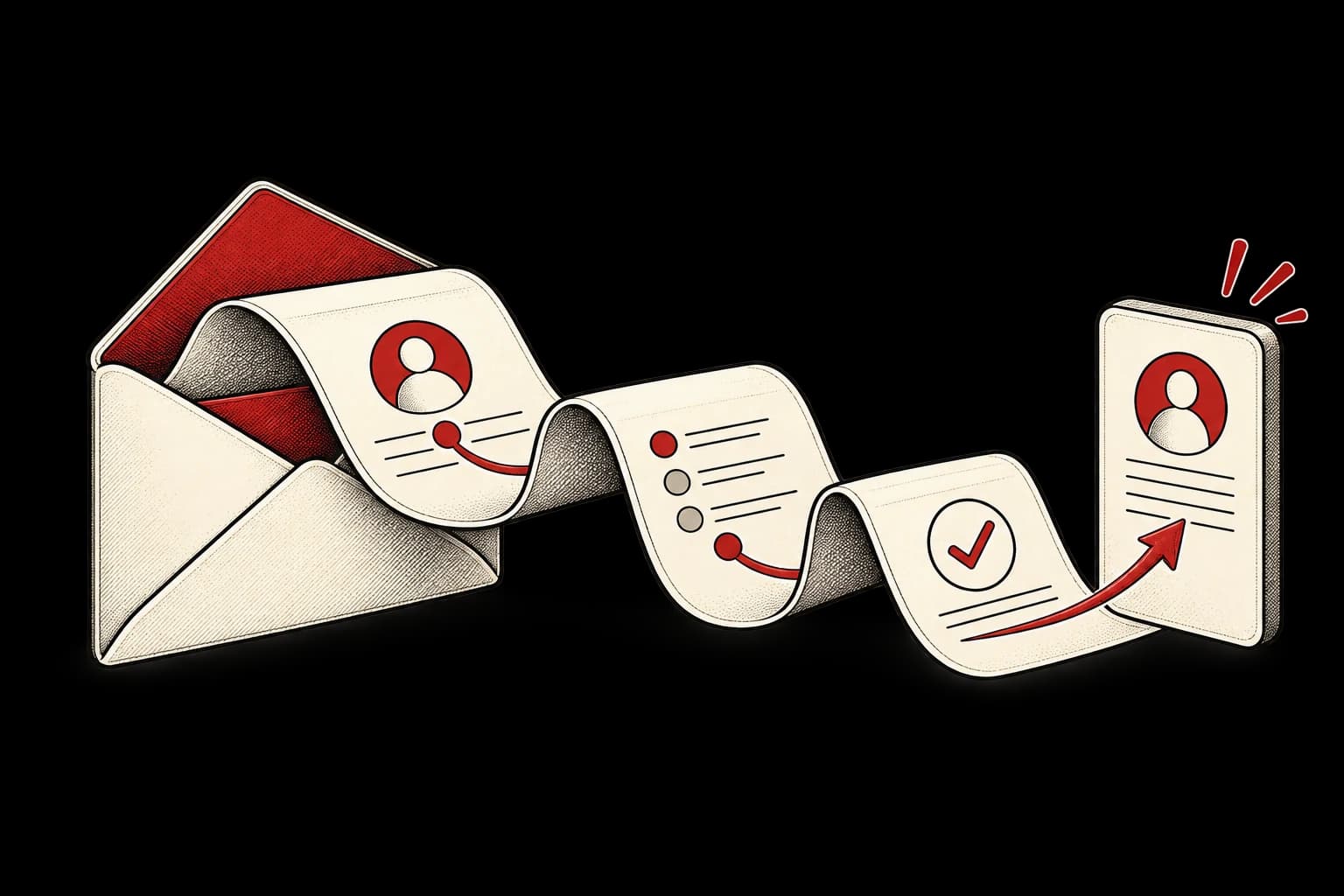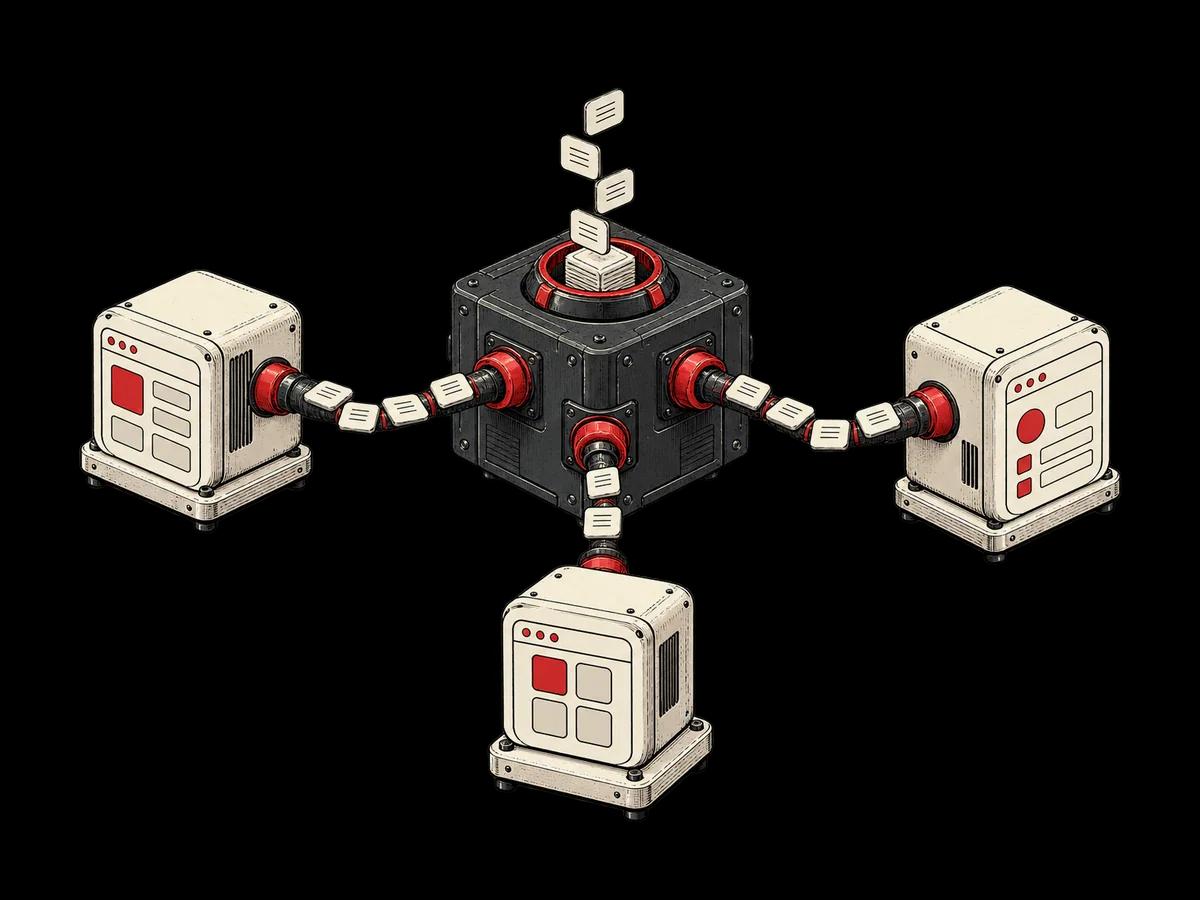
A custom app or plugin can remove real friction, connect important records, and create operating leverage. It can also introduce security, upgrade, support, and ownership obligations that outlive the original request. The build decision needs a business case and a lifecycle owner.
Test the problem before choosing custom code
First ask whether the constraint comes from a missing capability, an unclear process, duplicate records, inconsistent ownership, or underused platform features. Custom software should not permanently encode a workflow the business has not yet made coherent.
A small discovery can compare configuration, automation, integration, commercial software, process change, and custom development against the same desired outcome.
Prepare an integration brief before asking for an estimate
Name one source, one destination and the business outcome first. For example, an accepted storefront order might need to create one fulfilment request in another system. The brief should explain how the team will detect a missing or duplicate request and who resolves it. This is an illustrative workflow, not a client result or a promised package deliverable.
- Systems and access: platform names, versions, available APIs and responsible owners.
- Records and direction: which products, customers, orders or stock values move, and which system is authoritative.
- Timing and exceptions: the trigger, acceptable delay, retry behaviour and the human recovery path.
- Acceptance: sample records and a complete journey that both teams can check.
Define the record and workflow boundary
Every custom capability should state which records it reads or owns, who uses it, what event starts the workflow, how authorization works, and what happens when a dependency is unavailable.
- Authoritative source for customers, products, orders, tickets, or other records
- Roles, permissions, audit history, consent, and sensitive-data handling
- API versions, rate limits, retries, idempotency, and failure visibility
- Human exception paths, support ownership, and recovery procedures
- Release, monitoring, documentation, maintenance, and retirement plan
Design for the platform lifecycle
Shopify apps, WordPress plugins, BigCommerce apps, Magento modules, and Drupal modules live inside changing ecosystems. Platform API changes, security updates, theme changes, and merchant configuration can affect them.
Production readiness therefore includes automated tests, compatible version ranges, environment separation, observability, controlled releases, and a named owner for updates.
Build the smallest durable capability
DevCamp360 favors a bounded first release that proves the workflow and preserves an exit path. Once evidence shows the capability is useful and operable, it can expand without turning an uncertain idea into a permanent internal product too early.
Dedicated Delivery Pod
For an assessed integration change or a defined maintenance backlog, discuss Focused Pod and the capacity the work needs. Share the source and destination systems, the records involved and the intended outcome. A new architecture, specialist work or larger implementation needs its own agreed scope and estimate.
Focused Pod · $1,440 USD/month · 40 combined team-hours
Technology and expertise are confirmed before acceptance. A complete CRM/ERP or custom build needs separate discovery and scope. Specialist-heavy engineering, onshore roles and exclusive teams are separately quoted. No unlimited work, fixed headcount or 24/7 coverage is implied.